Quality Hand Tools for Global Retailers and Brands

In the world of retail, the quality of tools used can significantly impact both the efficiency of operations and the satisfaction of customers. For global retailers and brands, investing in high-quality hand tools is not just a matter of preference; it’s a necessity. This blog post explores the importance of quality hand tools, the types available, and how they can enhance the overall retail experience.

The Importance of Quality Hand Tools
Quality hand tools are essential for several reasons:
Durability: High-quality tools are built to last. They can withstand the rigors of daily use without breaking or wearing down quickly.
Efficiency: Well-designed tools can make tasks easier and faster, allowing employees to complete their work more efficiently.
Safety: Quality tools often come with safety features that reduce the risk of accidents, protecting both workers and customers.
Customer Satisfaction: When tools are used to create or maintain products, their quality directly affects the final output, leading to higher customer satisfaction.
Types of Hand Tools for Retailers
Retailers can benefit from a wide range of hand tools, each serving specific purposes. Here are some essential categories:
1. Measuring Tools
Accurate measurements are crucial in retail settings, especially in sectors like construction, tailoring, and food service. Common measuring tools include:
Tape Measures: Ideal for measuring lengths and distances.
Calipers: Useful for precise measurements of small objects.
Levels: Ensure that displays and installations are perfectly aligned.
2. Cutting Tools
Cutting tools are vital in various retail environments, from fabric stores to hardware shops. Examples include:
Utility Knives: Versatile tools for cutting packaging and materials.
Scissors: Essential for fabric and paper cutting.
Saws: Used in hardware stores for cutting wood and other materials.
3. Fastening Tools
Fastening tools help in assembling products or displays. Key tools include:
Screwdrivers: Available in various sizes and types for different screws.
Wrenches: Used for tightening or loosening nuts and bolts.
Pliers: Useful for gripping, twisting, and cutting wires.
4. Finishing Tools
These tools help in the final touches of products or displays. They include:
Sanders: For smoothing surfaces.
Paintbrushes: Essential for applying finishes.
Rollers: Used for painting large areas quickly.
Choosing the Right Hand Tools
When selecting hand tools for retail operations, consider the following factors:
Quality: Look for tools made from durable materials, such as stainless steel or high-carbon steel.
Ergonomics: Tools should be comfortable to use, reducing strain on the hands and wrists.
Brand Reputation: Choose brands known for their quality and reliability.
Warranty: A good warranty can provide peace of mind regarding the tool's longevity.
The Impact of Quality Hand Tools on Retail Operations
Investing in quality hand tools can lead to significant improvements in retail operations. Here’s how:
Increased Productivity
When employees have access to reliable tools, they can work more efficiently. For example, a well-designed screwdriver can reduce the time it takes to assemble displays, allowing staff to focus on customer service.
Enhanced Product Quality
Quality tools lead to better craftsmanship. In a clothing store, for instance, using sharp scissors ensures clean cuts, resulting in better-fitting garments. This attention to detail can enhance the overall customer experience.
Reduced Downtime
Tools that break or malfunction can lead to delays in operations. By investing in quality hand tools, retailers can minimize downtime and keep operations running smoothly.
Case Studies: Success Stories
Case Study 1: A Hardware Store
A local hardware store decided to upgrade its hand tools, investing in high-quality brands known for durability. As a result, the store saw a 30% increase in productivity among staff, who could complete tasks more efficiently. Customer satisfaction also improved, as customers received better service and higher-quality products.
Case Study 2: A Clothing Retailer
A clothing retailer implemented a new set of cutting tools for their fabric department. The new scissors and rotary cutters allowed staff to cut fabric more accurately and quickly. This change led to a 20% reduction in fabric waste and a noticeable improvement in the quality of finished garments.
Maintenance of Hand Tools
To ensure longevity and performance, proper maintenance of hand tools is essential. Here are some tips:
Clean After Use: Remove dirt and debris to prevent rust and damage.
Store Properly: Keep tools in a dry place, preferably in a toolbox or on a pegboard.
Regular Inspections: Check tools for wear and tear, replacing any that show signs of damage.
Conclusion
Quality hand tools are a vital investment for global retailers and brands. They enhance productivity, improve product quality, and ultimately lead to greater customer satisfaction. By choosing the right tools and maintaining them properly, retailers can ensure their operations run smoothly and efficiently.
As you consider your tool inventory, think about how quality can impact your business. Investing in the right hand tools today can lead to significant benefits tomorrow.


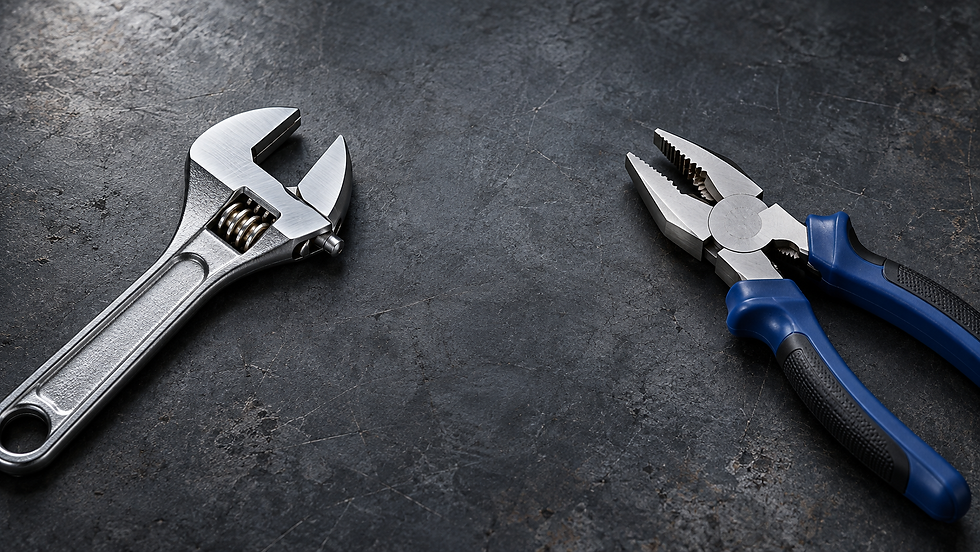
Quality hand tools make a real difference in durability, efficiency, and workplace safety. For retailers and brands, choosing reliable tools can help reduce replacement costs and improve customer satisfaction. For readers interested in a different home improvement topic, here is my website: Window Installation El Paso.
I keep a tab open with Crazyig for when I need a break during work. They have a decent collection of browser games that run smoothly without any lag. The racing and shooting categories are where I usually end up spending most of my time.
Gracias por compartir este contenido tan interesante. Siempre es bueno contar con información clara cuando se quieren consultar resultados de sorteos. En ese sentido, lotería nacional puede ser una referencia práctica para quienes desean revisar resultados y otros datos relacionados de manera rápida y organizada.