Cordless Screwdriver vs Drill: Which One Should You Choose?

An electric screwdriver and drill are the two most common and widely used electric tools on the market. These two types of power tools look similar on the outside, but they have different functions and are suitable for different applications.
This article will analyze the core differences between these two tools for you and help you make a more suitable choice based on your actual usage scenarios, thereby enhancing work efficiency and operational experience.
What Is a Cordless Screwdriver?
A cordless screwdriver is an electric tool used for quickly removing or tightening screws. This battery drill screwdriver provides rotational power through the motor. After pressing the switch, the battery supplies power to the motor, which drives the internal gear system to transfer power to the bit, thereby enabling the screw to be screwed in or out.
A power tool screwdriver has a lower torque and is usually equipped with a small capacity lithium battery. You can charge it via usb or charging dock. This power tool type is best suited for lightweight and fine applications.
Most electric screwdriver kits will be equipped with different types of bits to fit screws of different specifications. Therefore, this small battery powered screwdriver is one of the most common entry-level power tools for home users and beginners.

What Is an Electric Drill?
Cordless Drill is mainly used for drilling and screwing. You can control the speed through the trigger and adjust different gears to match the requirements of different materials. Most types of power tools have a forward and reverse rotation function for switching between drilling and removing screws.
Compared with cordless screwdrivers, this drilling tool has higher torque and power. Power drills typically use lithium batteries with higher voltages (such as 12V, 18V or even higher) to provide stronger continuous output capacity.
Mechanical drilling has a larger and heavier fuselage, stronger performance and a wider range of applications. You can use these types of cordless drills to drill into harder materials such as wood and metal, which is not only suitable for home repair, DIY work, but also for heavy work tasks.

Cordless Screwdriver vs Drill: Main Differences Explained
1. Torque Difference
The main difference between a power drill and a power screwdriver is their torque output capability. A cordless screwdriver is a low-torque tool with a torque range of 1–5 Nm, primarily used for delicate finishing work. Lower torque makes it easier for you to control during operation, reducing the risk of stripped teeth and material damage.
Cordless drills typically have a torque range of 20–80+ Nm, with some professional-grade cordless power drills reaching even higher levels. This high torque output helps you to handle materials with higher resistance, such as wood, metal, and even brick walls. If you usually have a lot of work to do and often need to process different materials, the cordless electric drill is more suitable.
2. Power & Speed
Cordless screwdrivers operate at speeds of approximately 150–300 RPM. Their relatively low but stable speed prevents damage to components caused by excessive speed.
Electric drills typically feature multi-speed systems, allowing them to adapt to different material processing needs; for example, low speeds for drilling metal and high speeds for drilling wood.
3. Functionality Difference
The function of a cordless screwdriver is rather limited. This power screwdriver tool can only tighten and unscrew screws and does not have the ability to drill holes. cordless drill is a multi-functional power tool. Besides being able to tighten screws, you can also drill holes in wood, plastic and metal. A hammer drill can be used to drill brick walls or harder materials.
4. Battery & Power System
The battery and power system of electric tools directly determine their continuous working capacity and applicable scenarios. The cordless screwdriver generally adopts a low-voltage small lithium battery system with a specification of 3.6V or 4V, and the battery capacity is generally between 1500 and 2500mAh, this power tool screwdriver is sufficient to meet your need to tighten screws at home
The cordless drill adopts high-voltage power systems of 12V, 18V or even 20V. The battery capacity of this drill type is usually between 1500 and 5000mAh, which can provide stable current under high load conditions and is less likely to experience power decline. If you often do DIY projects, a cordless drill is more practical.
Look For A Reliable Power Tool Supplier! Contact us!
Choosing Power Drills vs Power Screwdrivers: A Practical Buying Guide
1. Match the Power Tool to Your Task Type
Generally speaking, the more complex the task is, the higher the requirements for power tools will be. The power screwdriver is perfect for furniture assembly and small household appliance repair. This power tool type is easy to operate, it is lightweight and very suitable for basic home tasks.
If you always do drilling work, such as drilling holes in wood, plastic or metal, or need to carry out wall installation and decoration construction, the electric drill would be more suitable because it has a stronger power output and drilling ability.
2. Consider Your Budget and Value Expectation
If your budget is low and you only use it occasionally at home, cordless screwdriver is the best choice for its low cost and simple functionality. If you have a certain budget and you hope to own a power drill kit that combines home use and DIY capabilities, then I recommend you a 12v electric drill. If your budget is high and you have construction and professional needs, then an 18V electric drill would be more suitable. It has stronger power, a longer service life and better stability.
3. Think About Tool System and Long-Term Use
The cordless screwdriver is an independent tool system with fixed functions. The electric drill belongs to the battery platform system, and one battery can be adapted to multiple tools. If you plan to purchase power tools such as impact wrenches and Angle grinders in the future, choosing an electric drill would be more cost-effective and also more convenient for unified management of batteries and charging systems.
FAQ
1.Which is better, cordless or brushless?
If you are still hesitant about choosing between a brushless electric drill and a brushed one, I suggest you choose a brushless electric drill. Brushless electric drills are more durable than brushed ones. During operation, brushless electric drills have less friction, thus generating less heat, having higher work efficiency, and longer battery life, making them more suitable for long-term adaptation.
2.Which is better for beginners, drill or impact driver?
The cordless drills are better. The electric drill is easier to operate. You can adjust the torque and rotational speed with your application. It is very suitable for DIY use by novice families. For beginners, the output of the impact driver is too strong and difficult to control. If the operation is not proficient, there will be safety risks.
3.Can a power screwdriver be used as a drill?
An electric screwdriver is not a power tool specifically designed for drilling holes. Its torque and rotational speed are relatively low, making it impossible to drill metal or wood blocks. If used forcibly, it may cause damage to the tool.
Final Thought

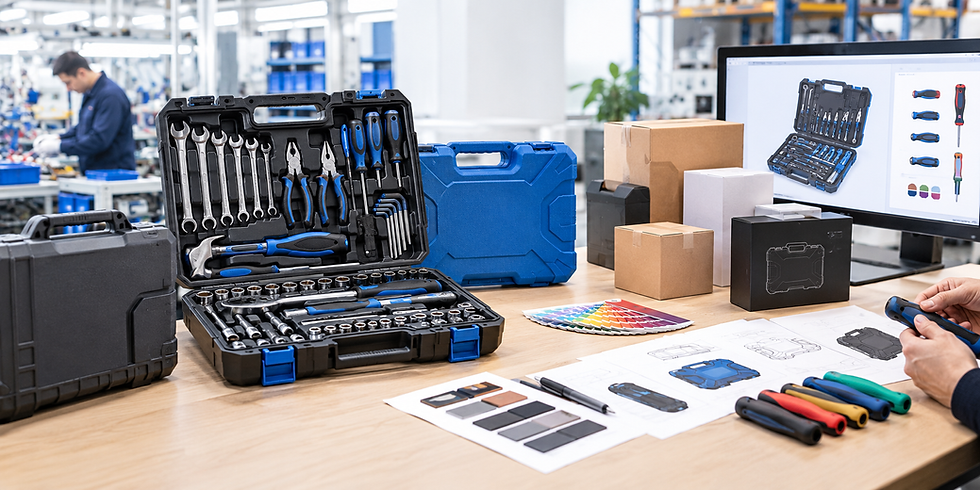
Cordless Screwdriver is suitable for light, simple tasks, and electric drill is suitable for drilling harder materials. Diversitech Global is an experienced supplier of power tools. Our power tool set comply with international certification standards such as CE/RoHS, and we have rich OEM/ODM customization experience. We can customize power drill set configurations, color designs and logos according to your market demands. Help you create more competitive product solutions.


Comments