The 2026 Global Outlook for Tool Set Retail: Trends, Tech, and Consumer Demands

Updated: Sep 18
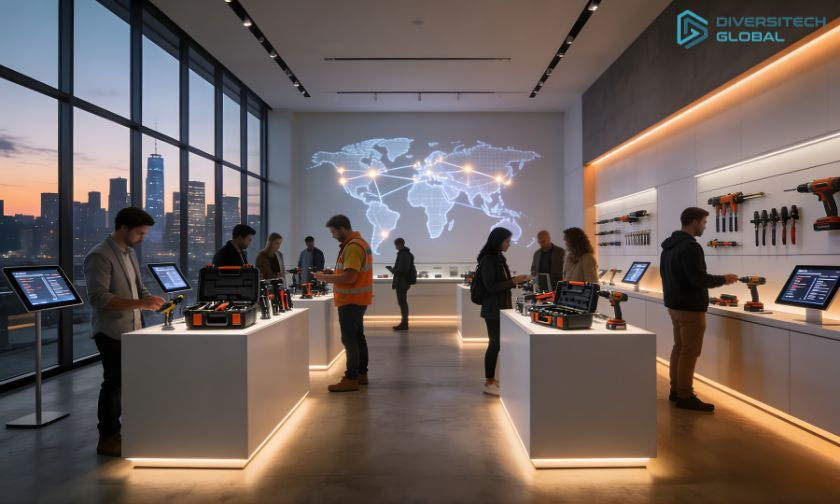
Navigating The Evolving Retail Landscape
The way people shop for tools is changing, and it's happening fast. It’s not just about finding the right wrench or drill anymore; it’s about the whole experience. We're seeing a big shift towards shoppers wanting more than just a product. They want to feel good about where it comes from and how it’s made. This means businesses in the tool sector need to pay attention to what’s happening beyond just their inventory.
The Rise of Sustainable and Ethical Consumerism

People are thinking more about the planet and fairness when they buy things. This isn't just a trend for clothing or food; it's creeping into every market, including tools. Shoppers are starting to ask questions about how tools are produced, the materials used, and whether companies are treating their workers right. Brands that can show they care about these things will likely do better. It’s about building trust and showing that you’re part of the solution, not the problem. For example, some companies are looking into using recycled materials or making sure their factories have good working conditions. This kind of effort can really make a difference in how customers see a brand.
Hyper-Personalization: Tailoring Experiences for Every Shopper
Remember when online stores just showed you a bunch of popular items? Those days are fading. Now, technology allows for a much more individual approach. Think about getting recommendations that actually make sense for your specific projects, not just what’s selling well. AI is getting really good at figuring out what you might need next, sometimes even before you realize it yourself. This could mean seeing ads for specific drill bits you’ll need for a certain type of wood, or getting a special offer on a battery pack because you bought a cordless tool last month. It’s about making each shopper feel like the store understands them. This kind of tailored approach can lead to more sales because people are more likely to buy when they see things that are relevant to them. It’s a big change from the one-size-fits-all model of the past. The cordless power tool market, for instance, is seeing this with more specific recommendations based on voltage and tool type.
AI-Powered Operations: Driving Efficiency and Insight
Behind the scenes, artificial intelligence is quietly revolutionizing how tool businesses run. It’s not just about customer-facing stuff; AI is making operations smoother and smarter. This includes everything from managing stock to figuring out the best way to get products to customers. For example, AI can help predict when certain tools will be in high demand, so stores can make sure they have enough on hand. It can also help sort out delivery routes to save time and fuel. This kind of smart management means less waste and quicker service. AI is becoming a key tool for businesses to stay competitive by improving how they work and understanding their customers better. It’s helping sales teams by providing them with better information, rather than just replacing them. Businesses that adopt AI are seeing real growth, with some reporting 15-20% more revenue.
The retail world is always shifting, and businesses that don't keep up risk getting left behind. Understanding these big changes—like the push for sustainability and the way AI is changing how we shop—is key to staying relevant. It's about being smart and adaptable in a market that's constantly moving.
Technological Advancements Shaping Commerce

The way we shop for tools, and pretty much everything else, is changing fast, thanks to new tech. It's not just about having a website anymore; it's about how efficiently businesses can get products to you and how they make the whole experience feel right for each person. Supply chain digitalization is a big one here, making sure that when you order a specific wrench set, it actually gets to your door without a hitch. This means better tracking, smarter inventory management, and less waiting around.
Supply Chain Digitalization and Optimization Strategies
Think about it: a tool retailer needs to know exactly what's in stock, where it is, and when it's going to arrive. Digitalizing the supply chain means using technology to get a clear picture of all that. It's about using software to manage everything from raw materials to the final delivery. This helps companies avoid running out of popular items, like a good set of socket wrenches, and also prevents them from having too much of something nobody wants. It's a balancing act, and tech makes it easier. For example, using RFID tags can speed up inventory checks dramatically. This kind of optimization is key for businesses looking to stay competitive, especially in markets like India where e-commerce is booming and consumers expect value and variety.
Next-Generation Payment Methods and Their Impact
Paying for things is getting easier too. We're moving beyond just swiping a card. Now, there are more options like buy-now-pay-later services, digital wallets, and even payments directly through social media apps. This flexibility means customers can choose what works best for them, which can make them more likely to complete a purchase. For tool retailers, offering a range of payment options can remove a barrier for potential buyers. It's all about making the checkout process as smooth as possible.
The Integration of Phygital Retail Experiences
This is a fancy term for blending the physical and digital shopping worlds. It means you might start looking for a new drill online, see it in a store using augmented reality, and then buy it through an app for pickup later. Or, you could be in a store and use your phone to get more product information or even place an order for something not currently on the shelf. This approach acknowledges that people don't just shop online or offline anymore; they move between both. It's about creating a connected experience, no matter where the customer is. This is particularly important as more shoppers, especially younger ones, expect interactive elements and convenience across all their shopping journeys. The Brazilian market, for instance, is seeing growth in specialized marketplaces that integrate these kinds of experiences.
The future of retail isn't just about having a good website or a nice store. It's about connecting those two worlds so customers can shop how they want, when they want, and get what they need without any fuss. Technology is the glue holding it all together, making things more efficient for businesses and more convenient for us.
Consumer Demands and Shifting Preferences

It feels like every week there's a new way people want to shop, and honestly, keeping up can be a challenge. But understanding what folks are looking for is key to selling anything these days, especially tools. People aren't just grabbing the first thing they see anymore; they're thinking about it more.
The Growing Influence of Social Commerce and Livestream Shopping
Social media has really changed the game. It's not just for sharing vacation photos anymore. Now, you can discover and buy tools right from your phone while scrolling through TikTok or watching an Instagram Live session. This trend is huge, especially with younger shoppers who are used to this kind of interactive experience. It’s a whole new way to find out about products you might not have seen otherwise. For example, seeing a demonstration of a new cordless drill in action during a livestream can be way more convincing than just reading a description. This is a big shift from how we used to shop for things like tool sets.
Prioritizing Value and Cost-Effectiveness in Purchasing Decisions
Let's be real, money is tight for a lot of people right now. Because of this, shoppers are really focused on getting the most bang for their buck. Brand names aren't as important as they used to be. What matters more is getting a good deal, like discounts, free shipping, or easy returns. If you can offer a solid tool set at a fair price, people will notice. It's about finding that sweet spot between quality and affordability. Many consumers are actively looking for ways to save, making price comparisons and looking for promotions a common practice before making a purchase. This is especially true for larger purchases like home improvement tools, where the DIY culture is strong.
Gen Z's Embrace of Private Labels and Brand Innovation
Here's something interesting: the younger generation, Gen Z, is really into store brands, or private labels. They're not just buying them because they're cheap, though. They actually care about the quality, how the product looks, and if the brand is doing something new. Think about the store brands you see at places like Target or Trader Joe's – they've gotten really good. Gen Z is showing that they're willing to spend on these brands if they feel they're getting something unique and well-made. This means retailers need to pay attention to their own brands and make sure they're offering something special, not just a budget option. It’s a sign that innovation in product development is key for all types of goods, including 3.6V tool sets.
The economic climate is making consumers more thoughtful about their spending. This means retailers need to be smart about how they present their products and what value they offer. It's not just about having the cheapest item; it's about demonstrating that the price reflects genuine quality and usefulness.
Here's a quick look at what's driving decisions:
Social Proof: Seeing products used and recommended on social media.
Price Sensitivity: Actively seeking discounts, bundles, and value for money.
Brand Authenticity: Preferring brands that are transparent and innovative, especially private labels.
Understanding these shifts is how businesses can stay ahead. It's about adapting to what customers want, whether they're looking for a basic hand tool or a specialized kit for automotive repair. Finding reliable suppliers who can keep up with these changing demands is also a big part of the puzzle for any successful retailer in this market staying informed about trends.
Looking to find a low-risk, high margin product for your E-commerce store? Get started
The Future of Product Discovery and Fulfillment
Getting the right tools into customers' hands, and doing it fast, is becoming a whole new ballgame. It's not just about having a good product anymore; it's about how quickly and easily people can find it and get it. We're seeing some pretty big shifts here, driven by what people expect from their shopping experiences.
Same-Day and Instant Delivery Ecosystems
Forget waiting days for that essential wrench or drill bit. The demand for speed is real. Many consumers now expect their purchases to arrive the same day, or even within a few hours. This isn't just a nice-to-have; it's becoming a standard. Retailers are scrambling to build out networks that can make this happen, compressing delivery times from days down to mere hours. This speed directly impacts buying decisions, cutting down on abandoned carts and making online shopping feel as convenient as popping into a local store. It's all about aligning that purchase with the customer's immediate need. For e-commerce sellers, this means rethinking logistics to meet these new expectations, which is a big deal for customer satisfaction.
Retailtainment: Merging Shopping with Immersive Entertainment
Shopping isn't just a chore anymore; it's becoming an experience. Think about stores that offer more than just shelves of products. We're talking about places that might have workshops, cafes, or even augmented reality displays that let you see how a tool might look or work in your own space. This blend of retail and entertainment, or "retailtainment," is designed to draw people in and keep them engaged. It's about making the act of discovering and buying tools something fun and memorable, not just transactional. This approach helps build a stronger connection with brands and can make a big difference in a crowded market.
The Continued Ascent of E-commerce Sales
Let's be honest, online shopping isn't going anywhere. In fact, it's still growing. While physical stores are finding new ways to be destinations, the convenience and reach of e-commerce are undeniable. The future isn't strictly online or offline; it's a mix of both. Expect more options like "buy online, pick up in store" and faster delivery from local hubs. Retailers are investing heavily in their digital infrastructure to handle this growth, making sure their supply chains are agile and their inventory systems are smart. This digital-first approach is key for reaching a wider audience and staying competitive. It's a smart move for businesses looking to expand their reach and offer more customized tool sets.
The way people find and get products is changing fast. Speed, experience, and digital convenience are now top priorities. Businesses that adapt to these shifts will be the ones that thrive.
Here's a quick look at what's driving these changes:
Faster Delivery: Same-day and even instant delivery are becoming the norm.
Experiential Shopping: Stores are becoming more than just places to buy; they're becoming destinations.
Digital Dominance: E-commerce continues to grow, supported by robust online infrastructure.
These trends mean that businesses need to be flexible and customer-focused. Offering a variety of fulfillment options and making the discovery process engaging are no longer optional; they're necessary for success. For many, this means looking at how to offer well-organized tool kits that meet these evolving demands.
Strategies for E-commerce Sellers

Alright, so you've got your online tool shop up and running, but how do you actually make it work in this crazy market? It’s not just about listing products and hoping for the best. You really need a plan, especially if you want to stand out.
Leveraging Data for Enhanced Customer Engagement
Think about all the information you get from people browsing your site. Every click, every search, every item added to a cart – it’s all gold. Using this data smartly is how you get customers to come back. It’s about showing them you know what they like, even before they do. For instance, if someone keeps looking at socket sets, maybe send them an email about a new, high-quality Diversitech socket set that just arrived. It feels less like an ad and more like a helpful suggestion. This kind of personalized touch makes a big difference.
Optimizing Online Storefronts for Best-Selling E-commerce Products
Not all tools are created equal when it comes to selling online. You need to figure out what’s actually moving and make sure it’s front and center. Things like a solid 67-piece socket set are often popular, especially for B2B sales, because they offer a lot of value. Make sure these popular items are easy to find, have clear descriptions, and great photos. Also, consider grouping related items together. If someone buys a wrench set, maybe show them some adjustable wrenches or a tool organizer right after. It’s about making the shopping experience smooth and intuitive.
Here’s a quick look at what tends to sell well:
Essential Hand Tools: Screwdrivers, pliers, wrenches, hammers.
Tool Kits: General purpose sets, automotive kits, electrical kits.
Power Tool Accessories: Drill bits, saw blades, sanding discs.
Storage Solutions: Toolboxes, organizers, workbenches.
The Indian tool market, for example, is seeing some serious growth. Online sellers there need to offer a good mix of quality tools for different needs, from simple home fixes to pro jobs. Keeping up with these trends is key to capturing a bigger slice of the pie.
Building Brand Loyalty Through Personalized Offers
Once you’ve got someone’s attention, how do you keep them? It’s all about making them feel special. Forget generic discounts; think about offers tailored to their past purchases or browsing history. If a customer frequently buys specific types of drill bits, maybe offer them a discount on a new set or a related power tool. This kind of attention builds trust and makes them less likely to wander off to a competitor. It’s about creating a relationship, not just a transaction. The Indian e-commerce tool sector is growing, so standing out with great service and personalized touches is more important than ever.
Innovations in In-Store and Online Integration
The lines between shopping online and walking into a store are getting blurrier by the day. It’s not just about having a website and a physical location anymore; it’s about making sure they work together smoothly. Think about it: you might see a cool tool on Instagram, then check its price on your phone while you’re actually in the store, and maybe even order it for home delivery right from your phone. Retailers are really trying to make this whole process feel connected, no matter where you are.
Automation Extending to In-Store Functions
Stores are getting smarter, and a lot of that has to do with automation. It’s not just about self-checkout, though that’s part of it. We’re seeing more robots helping with stocking shelves or managing inventory behind the scenes. This frees up store staff to actually help you find what you need or answer your questions, which is way better than waiting in a long line. For example, some stores use RFID tags on products. You can then just drop items into a special tray, and it tallies everything up in less than a minute. Pretty neat, right? This kind of tech helps stores run more efficiently, which can mean better prices for us.
The Blurring Lines Between Digital and Physical Retail
This is where things get really interesting. Retailers are using technology to bridge the gap between online browsing and in-person shopping. Imagine trying on clothes using augmented reality mirrors that show you how different outfits look without you having to change. Or consider how some stores are using data from online purchases to decide what products to stock in that specific neighborhood store. It’s all about creating a unified experience. Many shoppers still prefer to pick up items they bought online at the store, a trend known as BOPIS, which is becoming more common. This approach combines the convenience of online shopping with the immediacy of getting your product right away. It’s a big shift from how things used to be, and it’s changing how we shop for everything from power tools to everyday items. You can find great tool sets suitable for online stores that also cater to this integrated shopping experience Diversitech Global offers quality tool sets.
Enhancing Customer Service with Technology
Technology is also stepping up the game for customer service. Instead of just a basic checkout, stores are experimenting with things like smart fitting rooms. These rooms can recognize the items you bring in and even let you request different sizes or colors right from inside the fitting room, without having to get dressed again. For online shoppers, AI is starting to play a bigger role in personalizing recommendations. It’s like the website knows what you might like based on your past browsing and purchases. This makes finding what you need much easier and can even introduce you to new products you might not have found otherwise. The goal is to make shopping feel more personal and less like a chore.
The future of retail isn't just about having a good website or a nice store. It's about making sure both work together perfectly. This means using technology to make things easier for shoppers, whether they're browsing online or walking through the aisles. Retailers are investing in systems that track inventory in real-time and create a single view of the customer across all channels. This helps them offer things like 'buy online, pick up in store' options, which are becoming a standard expectation for many consumers. It’s all about convenience and a smooth shopping journey.
Here’s a quick look at how different technologies are helping:
Smart Shelves: These can tell when a product is running low and automatically alert staff to restock.
Interactive Displays: Screens in-store that offer more product information or even virtual try-ons.
AI-Powered Recommendations: Online tools that suggest products based on your shopping history.
Unified Payment Systems: Allowing customers to pay easily whether they are in-store or online, often linking loyalty programs to purchases Rewardly provides a next-generation retail payment and loyalty platform.
These innovations are helping retailers connect with customers better and make shopping a more enjoyable experience. It’s about using tech to make things simpler and more helpful for everyone involved. Adapting to these changes is key for tool sellers looking to stay competitive in the coming years, especially with AI playing a larger role in predicting demand and managing stock Leveraging AI for inventory and order management.
Wrapping It Up: What's Next for Tool Set Retail?
So, looking ahead to 2026, it's clear the tool set market is changing, just like everything else. We're seeing a big push towards making shopping easier, whether that's online or in a store, and people really want things that feel made just for them. Plus, everyone's more aware of where things come from and how they're made. For sellers out there looking to stock up, think about offering a good mix of quality and value. Diversitech Global, for instance, is a solid supplier that can help you meet these growing demands. Keeping up with these shifts means staying relevant and making sure your customers find exactly what they need, when they need it. It’s all about smart choices and meeting customers where they are.
Need a reliable e-commerce product supplier for your store? Let's talk about options


One category that's seen explosive growth alongside the broader tool market is drone components. Reliable power management is the number one pain point for FPV pilots and anyone running commercial drones — a quality drone battery is as critical to that category as a good socket set is to automotive repair. The same consumer demands apply: value, reliability, and fast delivery.
Adapting to shifting consumer demands in retail tool distribution requires managing efficient inventory restocking cycles and dependable procurement workflows. When expanding our specialty hardware inventory with custom hand-tool sets last quarter, balancing seasonal stock availability against fast supplier checkout routines was critical to meeting client deadlines. Utilizing the streamlined payment solutions offered by Paybis allowed our procurement team to verify checkout processing times and complete bulk orders without operational delays. Aligning modern retail inventory strategies with transparent processing options has helped our store maintain optimal stock levels and deliver consistent service to professional contractors.