Why Tool Sets are the "Anchor Category" for E-commerce Growth in 2026

The Strategic Advantage of Tool Sets in E-commerce
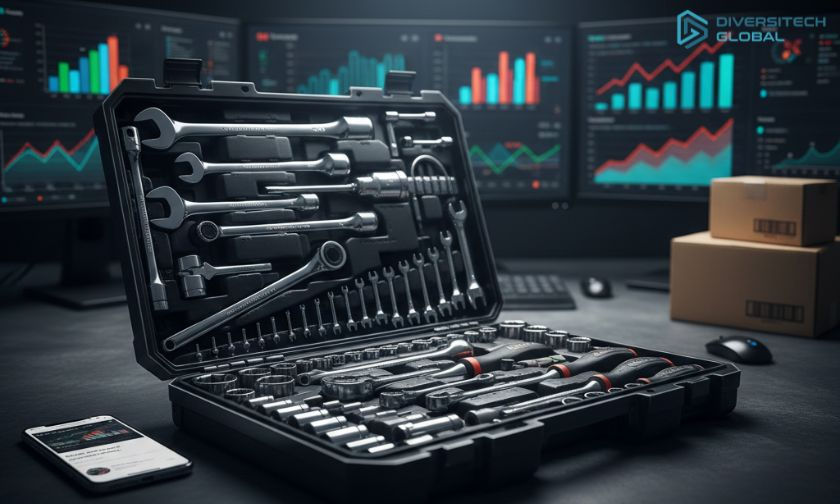
When you think about what really anchors an e-commerce business, especially as we look towards 2026, tool sets often come up. They're not just random products; they're what we call an "anchor category." This means they have a way of drawing customers in and keeping them engaged. Think about it: someone looking for a specific tool might end up buying a whole set, which is a bigger sale for you. Plus, these sets often have a good perceived value, making customers feel like they're getting a deal. This can lead to higher margins and, because they're usually compact, shipping is generally straightforward.
Understanding Tool Sets as an Anchor Category
So, why are tool sets so special? They offer a complete solution. Instead of a customer piecing together individual items, a set provides everything needed for a particular job. This convenience is a big selling point. For online stores, this translates into a better customer experience and often a higher average order value. It's about offering a package that solves a problem, not just a single item.
Bundled Value: Customers perceive greater value in a complete set.
Problem Solving: Sets offer a ready-made solution for specific tasks.
Increased AOV: Encourages larger purchases than individual items.
Reduced Returns: Fewer chances of customers buying the wrong individual part.
Driving Sales Through Omnichannel Excellence with Tool Sets
Tool sets also play nicely with an omnichannel approach. Imagine a customer browsing online, seeing a great tool set, and then deciding to pick it up at a local store. Or, they might use a store's inventory to fulfill an online order. This kind of integration makes the shopping experience smoother. Companies that sync their online and physical store operations can turn their brick-and-mortar locations into fulfillment hubs, increasing the inventory available to sell online. It’s about making it easy for customers to buy, no matter how they choose to shop.
The key is to make the customer's journey as smooth as possible, from the first click to the final delivery. When tool sets are part of this integrated system, they become a reliable product that supports broader sales strategies.
Integrating Tool Sets into Your E-commerce Growth Strategy
To really make tool sets work for your business, you need a plan. This isn't just about listing them; it's about making them a central part of your sales efforts. Think about how you present them online. High-quality photos from different angles are a must, along with detailed specifications. Using keywords like "power tool set" or "mechanic's tool kit" in your product titles and descriptions can help people find them when they're searching. It’s about making sure these anchor products are visible and appealing to the right customers. For example, a well-presented cordless drill set can attract a lot of attention.
Here’s a quick look at how to integrate them:
Optimize Product Pages: Use clear images and detailed specs.
Keyword Strategy: Target relevant search terms.
Promotional Bundles: Offer sets as a value proposition.
Cross-Selling: Suggest related individual tools or accessories.
Omnichannel Integration: Connect online and offline inventory.
Optimizing Inventory and Demand for Best-Selling E-commerce Products

Okay, so you've got your tool sets ready to go, but what happens if customers can't actually buy them? That's where getting your inventory and demand planning right comes in. It's not just about having stuff; it's about having the right stuff, at the right time, for the right customer.
The Critical Role of Stockout Rate Management
Let's be real, nothing kills a sale faster than telling someone "out of stock." It's like planning a party and then realizing you forgot to buy the cake. Stockouts are a silent killer of e-commerce growth. In 2026, we're seeing businesses treat stockout rate not just as a supply chain problem, but as a key performance indicator, just like customer acquisition cost. You need to know which items are flying off the shelves and make sure you have enough. If you're constantly running out of popular tool sets, you're leaving money on the table and frustrating potential buyers. It's about keeping that pipeline full, especially for those high-margin items that really drive your business.
Track it weekly: Don't wait for the end of the quarter. Monitor stockout rates for your priority SKUs.
Set limits: Decide what an acceptable stockout rate is for different products.
Incentivize teams: Tie performance bonuses to keeping popular items in stock.
Running out of popular products doesn't just mean lost sales today. It means customers might not come back tomorrow. They lose trust, and your sales forecasts get all messed up because you don't have real data to work with. Think of it as a health check for your whole operation.
Aligning Inventory with Demand Signals
This is where things get interesting. It's not just about looking at past sales. You need to pay attention to what's happening now and what's likely to happen next. Are there trends on social media pointing to a surge in DIY projects? Are there upcoming holidays where people might be buying tool sets as gifts? You need to connect the dots between what people are searching for, what they're talking about, and what you have on hand. For example, a 59-piece screwdriver and socket kit is a great example of a versatile product that meets immediate needs, making it a smart choice for inventory. Bundling practical items can really make your offerings stand out.
Forecasting Demand for Predictable Growth
Forecasting isn't just a guessing game; it's about building a reliable engine for your business. You need to look at historical data, sure, but also factor in seasonality, marketing campaigns, and even external events. If you're planning a big promotion on your best-selling tool sets, you better make sure you have enough stock to handle the rush. Many businesses are now using AI to help with this, looking at all sorts of data points to predict what customers will want. This helps you avoid having too much money tied up in slow-moving inventory or, worse, missing out on sales because you didn't have enough of what people actually wanted to buy. Getting this right means your marketing spend works harder because you're not sending customers to empty pages. It's about making your revenue more predictable and scalable, which is exactly what you want for long-term growth. The e-commerce market for tools in Mexico, for instance, is growing, and understanding local demand signals is key. Retailers in Mexico need to align their inventory with these specific market needs.
Simplifying the Customer Journey for Increased Conversions
Think about the last time you tried to buy something online and got frustrated. Too many steps, confusing options, or just a general feeling of 'is this even going to work?' That's exactly what we want to avoid. Making it easy for people to buy is key to growing your sales, especially with tool sets where customers might be looking for specific items or bundles.
Reducing Friction in the Path to Purchase
Customers today expect things to be quick and straightforward. If your website makes them jump through hoops, they'll likely leave. We're talking about cutting out unnecessary clicks, making sure product information is clear, and generally just removing any roadblocks between someone wanting a tool and actually owning it. It's about making the whole process feel natural, not like a chore. A smooth path means more people actually finish their purchase.
Leveraging One-Click Checkout and Dynamic Shipping
This is where things get really interesting. Tools like one-click checkout options, where saved payment and address details speed things up, are becoming standard. Imagine a customer finding the exact wrench set they need and being able to buy it in seconds. That's powerful. Then there's shipping. Offering options that match what the customer needs – maybe same-day delivery for a local pro, or standard shipping for a DIYer – makes a big difference. It shows you understand their urgency. For example, offering expedited shipping for urban customers while providing standard options for rural areas can really tailor the experience.
The average e-commerce cart abandonment rate hovers around 70%. Addressing the basics like transparent fees, guest checkout, reliable payment processing, and fast mobile page speeds can significantly cut this number. Continuous testing of product pages, search functions, and checkout flows is not just good practice; it's a necessity for boosting conversions.
Enhancing Mobile Shopping Experiences
More and more people are shopping on their phones. If your site isn't mobile-friendly, you're missing out. This means pages that load fast, buttons that are easy to tap, and a checkout process that works perfectly on a small screen. Think about features like swipe-to-buy functionality. It's not just about looking good on mobile; it's about making it as easy as possible for someone to complete a purchase while they're on the go. A good mobile experience can directly impact your sales, especially for impulse buys or quick reorders of common tools. Focusing on brands like Diversitech tool sets that are known for quality can also build confidence in mobile shoppers.
Looking to find a low-risk, high margin product for your E-commerce store? Get started
Navigating Rising Customer Acquisition Costs

It feels like every year, getting new customers costs more. You spend more on ads, and maybe you get a few more sales, but the profit margin shrinks. It’s a tough cycle. In 2026, just throwing money at traffic isn't the answer anymore. The real question is how to sell more without constantly pouring more cash into marketing. This means looking beyond just getting clicks and focusing on what actually makes sales happen and keeps customers coming back.
The Evolution Beyond Traffic Generation
For a while, the game was simple: get more eyes on your products, and sales would follow. But the digital ad space is crowded, and the cost to reach people keeps climbing. Relying solely on paid ads is like trying to fill a leaky bucket. You need to plug the holes first. This shift means we have to think smarter about where our marketing money goes. Instead of just aiming for more website visitors, the focus needs to be on making sure those visitors actually buy something and that they have a good experience doing it. This is especially true for categories like tool sets, where customers often know what they need and are looking for a complete solution, not just a single item. A well-managed online store, like those found in the expanding Indian e-commerce market [ddfe], can make a big difference.
Data-Driven Strategies for Sustainable Scaling
So, how do we get smarter? It all comes down to data. We need to understand our customers better and use that information to guide our decisions. This isn't about complex algorithms; it's about using the information you already have. For example, knowing which products are frequently bought together can help you create bundles that increase the average order value. Or, understanding when customers tend to buy certain items can help you stock up at the right time, avoiding those frustrating out-of-stock situations. Operational control over your inventory and sales data is the new frontier for growth.
Here are a few ways to use data effectively:
Track Stockouts Religiously: Know exactly when you're running out of popular items. Set goals, like keeping stockouts below 2% for high-margin products, and see how your teams are doing.
Simplify the Buying Process: Cut down the number of steps a customer needs to take to buy something. Think one-click checkouts and clear shipping options. The easier it is, the more likely they are to complete the purchase.
Bundle Smartly: Offer product bundles or suggest add-on items at checkout. This increases the amount each customer spends without needing to find a new customer.
Operational Control Over Marketing Spend
When you get your operations in order, your marketing spend becomes much more effective. Imagine running a big ad campaign, only to have customers land on a page showing "out of stock." That's wasted money. By syncing your marketing plans with your inventory levels and supplier lead times, you make sure that when you drive traffic, those customers can actually buy what they're looking for. This kind of coordination means every marketing dollar works harder. It’s about making sure your marketing efforts align with your ability to deliver, which is key for long-term success in selling items like hand and power tools [b29a].
The real bottleneck for growth in 2026 isn't marketing reach; it's operational readiness. Brands that align their marketing campaigns with their inventory and fulfillment capabilities will see their ad spend convert more effectively and build a more predictable business.
By focusing on these operational aspects, you can reduce the pressure of rising customer acquisition costs and build a more stable, profitable e-commerce business.
Leveraging AI and Advanced Tools for E-commerce Success
Okay, so AI. It’s everywhere, right? We’ve moved past the initial “wow, it can write stuff!” phase, and now it’s about what AI can actually do for your business, especially in 2026. It’s not just about fancy chatbots anymore; the real wins are happening behind the scenes, making things run smoother and, more importantly, making you more money.
AI-Powered Product Listing Optimization
Remember when getting your products seen felt like shouting into the void? With search algorithms constantly changing on places like Google and Amazon, it’s tough. But AI can actually help here. It’s not just about stuffing keywords anymore. AI tools can help you draft better descriptions, suggest images, and even do keyword research to help your store show up organically. Think of it as giving your product pages a tune-up so they actually get noticed without you having to spend a fortune on ads. High-quality content that genuinely helps users is what search engines are starting to favor.
Personalization Through Machine Learning
This is where things get really interesting. Machine learning isn't just for suggesting what movie you might like next. For e-commerce, it means tailoring the entire shopping experience to each individual. Imagine a customer searching for "waterproof boots for hiking." An AI can make sure they see boots specifically highlighted for their durability in wet conditions, along with relevant reviews. It’s about making the site feel like it was built just for them. This kind of personalization can seriously boost revenue and make customers feel understood, which is a big deal when people get frustrated with generic experiences. It’s about making the customer feel seen.
Automating Schema Generation for SEO
Schema markup might sound technical, but it’s basically a way to help search engines understand what your pages are about. AI can automate a lot of this work. By correctly tagging your products and content, you make it easier for search engines to display rich results, like prices and availability, directly in search. This makes your listings stand out and can drive more qualified traffic. It’s a behind-the-scenes boost that pays off in visibility. Getting this right helps search engines see your products clearly, which is a big win for organic discovery.
The real power of AI in e-commerce in 2026 isn't just about customer-facing gimmicks. It's about operational control. Brands that use AI to refine demand forecasting, optimize inventory, and fine-tune pricing are the ones seeing significant efficiency gains and revenue growth. It's about making smarter decisions, faster.
The Future of E-commerce SEO and Technical Foundations

Okay, so thinking about SEO and the technical side of things for e-commerce in 2026 feels a bit like looking into a crystal ball, but there are some pretty clear trends. It’s not just about stuffing keywords anymore, that’s for sure. Search engines are getting way smarter, and they’re really trying to figure out what people actually want when they search. This means your website needs to be super user-friendly and provide clear answers.
Embracing AI-Optimized User Experiences
Forget just having a fast website. By 2026, the game is about creating an AI-optimized experience. This means your site should feel intuitive and personalized for each visitor. Search engines are looking at how happy users are on your site, not just if they clicked a link. If someone lands on your page and immediately bounces, that’s a bad sign for the search engines. We need to make sure people find what they need, fast.
Analyze User Journeys: Really dig into why people leave your site. Use tools to see where they click and where they get stuck. Talk to your customers too; their feedback is gold.
Test Everything Constantly: Don't guess what works. Use AI tools to run tons of tests on different page layouts, button colors, you name it. Let the data tell you what makes users happy.
Personalize on the Fly: Your site should adapt to what each user is looking for. This could mean showing different product recommendations or even adjusting the content slightly.
The days of a static, one-size-fits-all website are over. In 2026, success hinges on creating dynamic, intelligent experiences that cater to individual user needs, powered by AI.
Building a Frictionless Highway for AI Crawlers
Technical SEO is still super important, even if it’s not the flashy part. Think of it as building a super smooth road for search engine bots. The better they can crawl and understand your site, the better they can show it to people. This means making sure your site is easy to navigate, loads quickly, and has all the right technical signals.
Structured Data is Key: Using schema markup helps search engines understand your product details, reviews, and more. Basic Product schema isn't enough anymore; you need to get detailed.
Implement Various Schema Types: Think about HowTo for guides, FAQPage for common questions, and Review schema to show ratings. This helps your products stand out in search results.
Automate Schema Management: For big online stores, doing this manually is a nightmare. Use tools that automatically create and update schema for all your products. Keep checking it to fix any errors.
We need to make sure our sites are technically sound so that AI crawlers can easily find and index all our great content. This is especially true when thinking about international markets; a solid technical base helps localize your e-commerce presence.
The New Link Graph: Authority and Entity Markup
Link building is changing too. It’s less about getting tons of links and more about getting quality links from reputable sources. Search engines are also focusing on "entities" – basically, recognizing your brand and products as real things. This means consistently marking up your products with details like brand, SKU, and material helps search engines understand them better.
Focus on Quality Over Quantity: Earn links from sites that are relevant and trusted in your niche.
Build Brand Authority: Consistent branding and clear information across your site helps search engines recognize your brand as an entity.
Entity Markup for Products: Use structured data to describe your products in detail. This helps them appear in more advanced shopping features and searches.
Ultimately, building a strong online presence in 2026 means creating a technically sound, user-focused website that search engines can easily understand and trust. It’s about making it simple for both users and AI to find and engage with your tool sets.
Harnessing Influencer Marketing and User-Generated Content

Okay, so let's talk about getting people to actually talk about your tool sets. In 2026, just putting ads out there isn't enough. You need real people, people your customers trust, to show off what you've got. That's where influencer marketing and user-generated content, or UGC, come in. It’s not just about big names anymore; it’s about finding the right voices.
Strategic Partnerships with Micro-Influencers
Forget those mega-celebrities for a second. The real magic often happens with micro-influencers. These are folks who might have a smaller following, maybe a few thousand people, but those people are super engaged and really trust what they say. Think of someone who’s genuinely into DIY projects or home improvement and shares their journey online. Partnering with them feels way more authentic. Brands are seeing that about a quarter of people actually make buying decisions based on what an influencer recommends, and honestly, influencer content often does better than what brands create themselves. It’s about finding creators who genuinely align with your brand's vibe and values. You can use platforms designed to help you find these people, making it easier to build those relationships. This targeted approach often brings a better return on investment than trying to reach everyone.
Integrating Authentic Customer Content
Beyond influencers, what are your actual customers saying and showing? UGC is gold. It’s like free advertising from people who’ve already bought your stuff. Think about customers posting pictures of their new tool kit in action, or a video of them tackling a project with your gear. This kind of content builds serious trust. It shows potential buyers that real people are happy with your products. You can encourage this by running contests, creating a unique hashtag for people to use, or simply by making it easy for customers to share their experiences. It’s all about building a community where people feel good about sharing their wins with your tools. This is a great way to differentiate your brand from others who just push products offering well-organized tool kits.
Amplifying Brand Values Through Creators
It’s not just about selling tools; it’s about what your brand stands for. Creators, whether they’re big influencers or everyday customers sharing their work, can help broadcast your brand’s message. If your brand is all about sustainability, or supporting local makers, or making DIY accessible to everyone, creators can weave that into their content. This connects with a growing number of shoppers who want to buy from companies that have a purpose. It’s about building long-term relationships with these creators, not just one-off posts. When done right, this kind of authentic advocacy can lead to more sales and a stronger brand identity. It’s a smart way to get your message out there and connect with people on a deeper level, especially when you're trying to reach homeowners and DIYers.
Building trust through real people's experiences is key in today's market. It moves beyond just product features and speaks to the community and values surrounding your brand. This authentic connection is what drives loyalty and repeat business in the long run.
Wrapping It Up: Your Tool Set Strategy for 2026
So, looking ahead to 2026, it’s clear that just throwing more money at ads isn’t the answer anymore. With customer acquisition costs going up and those third-party cookies disappearing, we need smarter ways to grow. Focusing on tool sets, like those reliable ones from Diversitech Global, gives you a solid base. They help keep your stock levels right, make sure customers can actually buy what they want without delays, and generally make things run smoother. When your operations are tight, and you’re not losing sales to stockouts, you can actually focus on getting more customers and keeping them happy. It’s about working smarter, not just harder, and building a business that can handle whatever comes next.
Need reliable e-commerce product supplier for your store? Let's talk about options


Trump threatens Bangla choti golpo new tariffs on European allies over Greenland until deal reached, as thousands protest...........
Trump threatens kambikuttan new tariffs on European allies over Greenland until deal reached, as thousands protest
Trump threatens Kannada Stories new tariffs on European allies over Greenland until deal reached, as thousands protest
Trump threatens Kama Kathalu new tariffs on European allies over Greenland until deal reached, as thousands protest